

How to Properly Install and Maintain an Outdoor Wood Burner
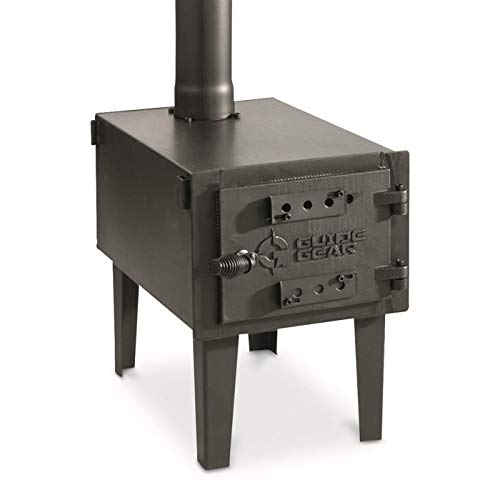
Outdoor wood burners, often called wood boilers, appear like small sheds that have a short smoke stack. They are used to heat water or a mixture of water and antifreeze which is then circulated through your home.
When used with dry wood and EPA-approved outdoor boilers, they offer an environmentally-friendly alternative to fossil heating. They still emit lots of smoke.
Energy Efficiency
Wood heat has been a popular choice to heat homes for centuries. With the fluctuating costs of fossil fuels wood heat is a viable option for many. However there are a few differences between wood boilers. Not all wood boilers are with the same efficiency. As a general rule, models that use wood gasification technology are much more efficient than standard models outdoor wood furnaces (OWBs).
The energy efficiency of an OWB is affected by several factors. One of these is the quality of the wood utilized. It is important to select only firewood that has been dried and seasoned for at least six months, and best for a year. Dry firewood releases more heat into the atmosphere than wet, green wood. It also burns more efficiently and creates less pollution.
The boiler's combustion rate is a different aspect. This is the amount of heat that is converted by the stove into useful heat. Many manufacturers promote their OWBs' efficiency in combustion however it is crucial to look for the efficiency that is delivered. The latter is a measurement of how much heat generated by the wood gets to your home.
It is also crucial to operate the OWB properly to maximize its effectiveness. This means keeping it clean and maintaining the vent for the flue on a regular basis. The flue vent should also be cleaned weekly during the heating season in order to reduce the amount of smoke generated by the stove and prevent obstruction.
In contrast to indoor stoves that are located inside your home, an OWB is installed between 90 and 200 feet away from your house. The heated water in the OWB is then pumped through pipes that are insulated before it is delivered to your home. The hot water is then distributed throughout your home by an appliance that makes use of heat exchangers.
Despite the disadvantages mentioned above, an OWB is an extremely efficient method of heating your home and can reduce your energy bills. Be sure to select a high-efficiency model and follow proper maintenance procedures to get the most out of it. Don't forget to only burn dry and seasoned wood in an OWB. This will prevent the firewood from destroying your home and polluting the air.
Environmentally Friendly
Wood is a greener and more sustainable alternative to burning fossil fuels, such as gasoline, propane and oil. It is a renewable resource which means that new trees will grow and replace the ones that were that were burned to provide warmth. Wood releases carbon dioxide when burned but it is absorbed by other plants and trees that convert the carbon dioxide back into oxygen for us to breathe. Unlike fossil fuels, the burning of wood does not create any other environmental pollutants.
A wood furnace can be used to heat homes, garages sheds, homes and other structures. These units are very cost-effective since they eliminate the need to pay expensive utility bills. They can also be used to warm hot tubs and pools, providing a relaxing place to relax in the winter months. These heaters are EPAapproved and CSA-certified which makes them an eco-friendly option for home heating.
However, a wood stove is not without its drawbacks. Wood smoke contains tiny air particles that can aggravate the symptoms of certain health conditions, such as heart and lung problems. These particles can also contribute to climate change and contaminate water supplies. It is important to use only seasoned firewood in your outdoor wood burner. If your wood isn't seasoned, it will release more smoke, which can irritate those with sensitive respiratory systems.
Electric heat pumps are a viable alternative to wood furnaces. They extract heat from the air or the ground and can be used to heat buildings and reduce the need for oil, propane or natural gas. These heat pumps are more efficient than traditional wood stoves and are seen as eco-friendly, however they require a steady supply of raw materials in order to work efficiently.
However, wood-burning heating is still a favorite among some because of its low cost and green credentials. The most efficient models have an efficiency rating of 85 percent, which is better than the majority of other heating options. Talk to an expert in outdoor wood burning to know about the most efficient and environmentally sustainable models.
Safety
If it is not properly installed and maintained, a wood-burning stove can pose a major danger to fire. The smoke from a fire may be contaminated by carbon monoxide, toxins and fine particles that can cause health issues, such as asthma and reduced lung function. In addition, smoke can contaminate furniture, carpeting and clothing. Therefore, it is important to hire professionals to install your wood stove.
A professional should also examine your wood-burning stovepipe or chimney on a regular schedule. These professionals can ensure your OWB meets the local safety standards and is operating safely. This can help prevent fires from your home, or in other buildings on your property.
It is important to only use dry, seasoned wood for burning wood in an OWB. Also, ensure that the area around the logs free of any debris and combustible substances, such as plastic or paper, in order to avoid fire hazards. Don't burn garbage, trash or treated lumber, as these could release a variety of harmful pollutants into the air.
Wood smoke is dangerous to everyone, but it is particularly harmful to children, teenagers and older adults, as well as people who suffer from respiratory or heart conditions. It is also recommended that new and expecting mothers beware of exposure to wood smoke because it could negatively affect their unborn babies.
Using an OWB can also be a nuisance for neighbors. Depending on the weather and the wind, smoke from a fire can be blown through windows that are not closed. It can also irritate the eyes and noses. It is recommended to shut any windows or doors that are near the stove, and to keep pets from the fire.
Installing smoke and carbon dioxide alarms in every bedroom of your home is an excellent idea. Check them frequently. wood stoves for sale is also recommended to have a family escape plan in place and practice it at least once a year. Contact your local PuroClean branch for help with blaze and smoke restoration services. We can restore your smoke-damaged property or business to its pre-fire condition.
Maintenance
Wood burning furnaces, also referred to as outdoor wood burners, or OWBs are ideal to heat your home using a renewable energy source and creating a warm, cozy environment. Like any appliance is used regularly they require some care to ensure that they are running smoothly.
You'll benefit the most from your outdoor wood stove if you maintain it regularly. The basic cleaning needs of your wood stove include cleaning the interior, exterior and flue pipe regularly. Before you begin any cleaning, make sure that the fire is gone and all electrical power to the wood stove is shut off. You should also gather your supplies before you begin cleaning. These should include newspapers (to cover the floor of your house) Safety gloves, a toothbrush and an incredibly small shovel as along with a metal ash container instead of a bucket.
Every time you burn wood on your outdoor wood stove, creosote will be produced. This residue must be cleaned regularly to maintain optimal air flow in the combustion system. It also helps stop the accumulation of a substance that could corrode the inner layers of the steel in the water jacket. Using a creosote remover like Creosote Buster sticks in your fire will help reduce the amount of time and effort required for the cleaning process.
You will also need to clean out the ash container on your wood burner on a regular basis. It is more efficient to empty the ash into metal containers rather than the standard trash can which is typically filled with trash, plastics and other materials. They may explode or ignite when the hot ashes are placed in the can.
Based on the type of fuel and amount of heat drawn from your wood burner, as well as the weather conditions, you may need to manage smoke on a regular schedule. If smoke is an issue you might want to ensure that the flue pipe on your wood stove cleaned frequently. This can be a difficult task for anyone who wants to do it themselves. It is best to leave it to experts to avoid health issues that may arise from inhaling a lot wood smoke.